Introduction to Video Production
In the contemporary digital landscape, video production has emerged as a critical component for effective communication and marketing strategies. With the rapid proliferation of social media platforms and video-sharing websites, the demand for compelling video content has surged. Businesses and creative individuals alike are increasingly recognizing the power of video to engage audiences, convey messages, and enhance brand visibility. As a result, the ability to produce professional-looking videos has become an invaluable skill in various fields.
Despite the common misconception that high-quality videos necessitate expensive equipment, this notion is increasingly being dispelled. In reality, while top-tier gear can enhance production quality, it is not a prerequisite for creating impressive video content. Many successful videos have been made using basic tools such as smartphones or mid-range cameras paired with simple editing software. This democratization of video production allows more individuals to experiment with filmmaking, thereby fostering creativity and enabling the sharing of diverse stories.
Furthermore, the innovative techniques and accessible resources available today empower aspiring videographers to learn and refine their skills without the heavy financial burden of high-end gear. Tutorials, online courses, and community forums are widely accessible, providing valuable guidance on shooting, lighting, and editing. This shift in accessibility places the emphasis on storytelling, creativity, and technical skill over expensive equipment, aligning with the idea that engagement is primarily driven by content rather than production value.
As a result, video production has transcended its traditional confines, opening doors for anyone passionate about visual storytelling. Whether you are a business owner looking to promote your brand, a budding entrepreneur crafting your image, or a creative individual aiming to share your vision, producing high-quality videos is more attainable than ever, even without significant financial investment.
Essential Gear Every Beginner Should Have
For those embarking on the journey of video production, it is crucial to understand that professional-looking videos can be achieved without the need for expensive gear. The key lies in selecting the right tools that meet your specific needs while remaining within budgetary constraints. Here, we will discuss the essential gear every beginner should consider.
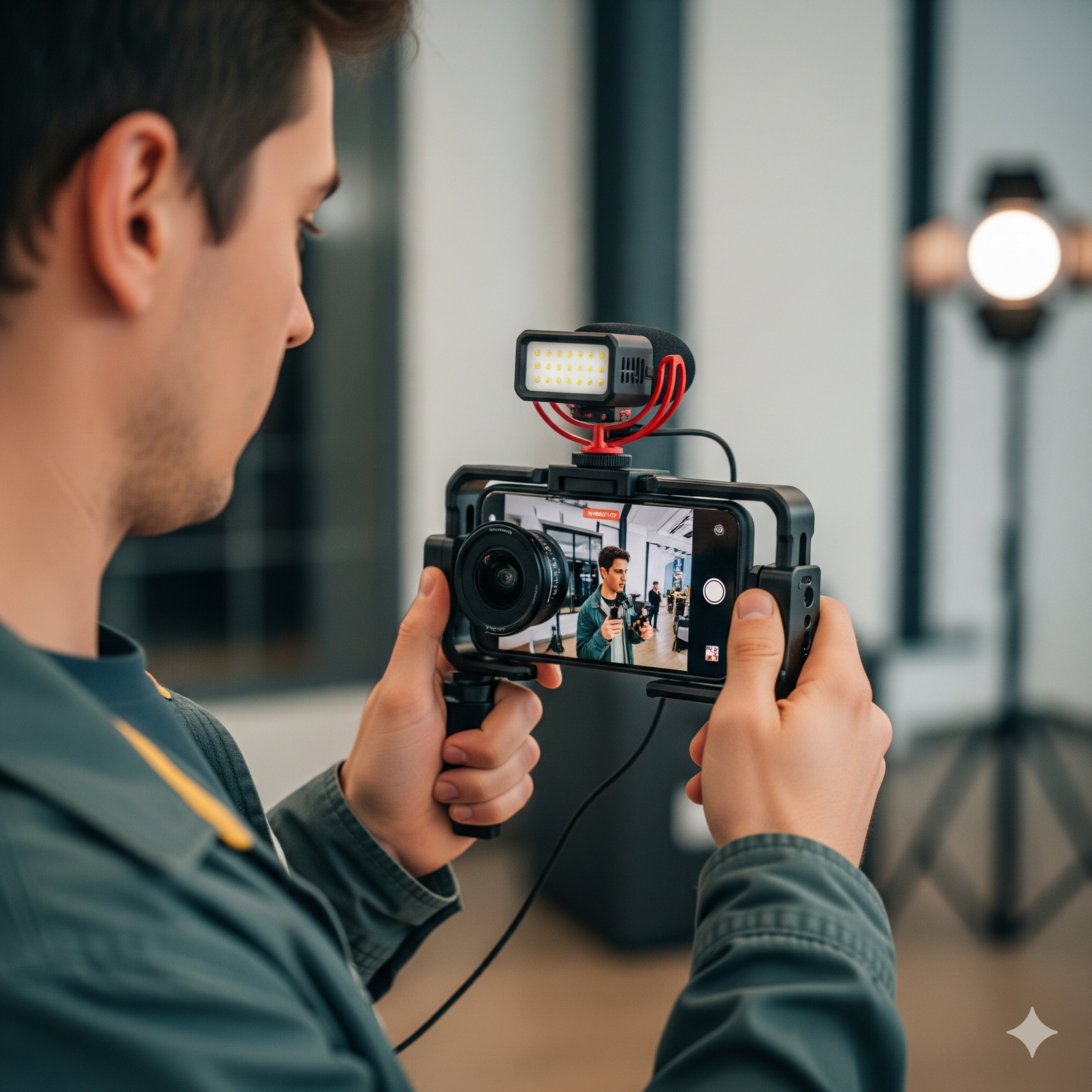
First and foremost, a smartphone is often the best starting point for novice videographers. Modern smartphones come equipped with high-resolution cameras capable of shooting in 4K, which significantly reduces the need for a dedicated camera. In addition to this, smartphones are portable and user-friendly, making them ideal for capturing spontaneous moments. Many models also allow for the installation of various apps that enhance video quality and editing capabilities.
Next, investing in a basic tripod cannot be overstated. A stable shot is fundamental in video production, and a tripod significantly aids in achieving this. When selecting a tripod, look for lightweight materials for ease of transport, along with adjustable heights to fit a variety of shooting scenarios. There are also tripod options compatible with smartphones, providing further flexibility for beginners.
Audio quality is another critical aspect of video production that should not be overlooked. Many smartphones have satisfactory built-in microphones; however, a dedicated external microphone can dramatically improve sound fidelity. Affordable options like lavalier microphones or shotgun mics work well for consistent audio capture during interviews or voiceovers.
In conclusion, starting with a smartphone, a basic tripod, and a reliable external microphone can put you on the path to creating professional videos without the burden of high costs. Prioritize your specific needs and consider how each piece of equipment contributes to your overall production goals as you build your video toolkit. By doing so, you will be well-equipped to tell your stories effectively and creatively.
Understanding Lighting Techniques
Lighting plays a crucial role in video production, significantly impacting the overall quality and mood of the footage. Proper illumination can elevate a project from amateur to professional, making the understanding of basic lighting concepts essential for anyone seeking to shoot videos without the need for expensive gear. Effective lighting can highlight subjects, create depth, and control shadows, all of which contribute to storytelling in visual media.
One of the most accessible and cost-effective lighting methods is the use of natural light. Shooting during the golden hour, shortly after sunrise or before sunset, provides soft, diffused light that enhances subjects without harsh shadows. Positioning your subject near windows or in shaded areas can also yield flattering results, making the most of the available sunlight. However, it is essential to be mindful of changing light conditions throughout the day, which may require adjustments in your shooting schedule.
For those looking to create an affordable lighting setup indoors, there are various options that can improve video quality without breaking the bank. Simple items such as LED lights or softbox kits can provide even lighting and are relatively inexpensive compared to professional lighting rigs. Additionally, utilizing reflectors – which could be as simple as white cardboard or foam boards – can bounce light onto subjects and minimize unwanted shadows.
When filming outdoors, it’s critical to consider the time of day and weather conditions. Overcast days can create an ideal scenario as the clouds act as a natural diffuser, softening the harsh sunlight. Meanwhile, portable light sources, such as battery-operated LED panels, can help maintain a consistent look regardless of outdoor lighting variations. With these practical tips and techniques, videographers can effectively enhance their work’s visual quality through affordable and strategic lighting solutions.
Framing and Composition Techniques
Framing and composition are essential elements of videography that can significantly enhance the visual appeal of any video production, even when using basic gear. Understanding and applying these techniques can help convey your message more effectively, guiding your audience’s attention to the focal points of your videos. One of the fundamental principles is the rule of thirds, which suggests dividing your frame into a grid of nine equal segments. By positioning your subjects along these intersecting lines or within the grid, you can create a more balanced and engaging composition. This technique encourages viewers to naturally explore the frame rather than simply staring at the center.
Additionally, utilizing leading lines can dramatically improve the visual narrative of your videos. Leading lines are natural lines within the scene that draw the viewer’s eye toward the main subject or through the scene. This could be anything from roads and pathways to fences and architectural features. By strategically framing your shot to include these lines, you can create a sense of depth and perspective, making the video more visually captivating. They guide the viewer’s gaze, allowing for a seamless journey through the composition, which enhances viewer engagement.
Effective subject framing is equally important, as it can emphasize the main focal point of your shot. This can be achieved through techniques such as isolating your subject by using depth of field, or incorporating environmental elements to frame the subject. For example, positioning your subject within a doorway or between trees can create a natural frame that accentuates their presence. Moreover, varying your camera angles—shooting from above or below—can also alter the perception of your subject, presenting them in a more compelling manner. By combining these framing and composition techniques, even beginner videographers can produce polished, professional-looking videos.
Sound Quality: Tips for Better Audio
In the realm of video production, sound quality is often as critical as the visuals themselves. Poor audio can detract from even the most beautifully shot footage, underscoring the need for careful attention to sound during filming. To achieve clear and professional audio without breaking the bank, consider utilizing affordable microphones specifically designed for video. Options such as shotgun microphones or lavaliers can significantly enhance your recordings without the burden of high costs. These microphones allow for direct sound capture, minimizing the chance of capturing unwanted noise.
Another fundamental tip for improving audio quality is to assess and minimize background noise during recording. Before filming, take a moment to evaluate your environment. Choose locations with minimal ambient noise and be mindful of potential sound disruptions—drafts from windows, electronic devices, or even the proximity of busy streets can introduce undesirable noise to your audio. Utilizing soft furnishings or blankets in your recording space can also help absorb echoes and reduce background interference.
Post-production offers additional opportunities to refine your sound quality. Utilize audio editing software, like Audacity or GarageBand, which are accessible and user-friendly for beginners. These programs can help you remove background noise, enhance vocal clarity, and balance audio levels effectively. Ensure that dialogue remains the focal point of your audio mix, adjusting other sounds to support but not overshadow the primary content. Also, consider incorporating sound effects or background music, but do so discreetly to maintain the professional integrity of your video.
Ultimately, prioritizing sound quality is essential for achieving a polished final product. By employing careful recording practices and post-production techniques, you can produce videos that are not only visually appealing but also possess impeccable audio clarity, even without expensive gear.
Basic Video Editing Techniques
Video editing is a crucial step in the production process that can significantly enhance the quality of your final output. For beginners, understanding essential editing concepts and techniques is vital to elevating the professionalism of your videos. Fortunately, many user-friendly software options are available that cater to diverse skill levels and budgets. Programs like iMovie, DaVinci Resolve, and Adobe Premiere Rush offer accessible interfaces and essential features, making them ideal starter tools for aspiring video creators.
One of the fundamental video editing techniques is cutting, which involves removing unwanted footage to create a seamless flow. This process not only helps in eliminating mistakes but also keeps the narrative engaging. By trimming excess content, you can ensure that your audience remains interested from start to finish. Additionally, adding transitions between clips can smooth out the visual changes, enhancing the overall aesthetic of the video. Simple transitions, such as fades and dissolves, can be effectively implemented to maintain viewer attention and improve the viewer’s experience.
Another critical aspect of video editing is audio integration. Adding music and sound effects can trigger emotional responses and enhance storytelling. When selecting audio, it is essential to choose tracks that complement the video’s mood and theme. There are various online platforms that provide royalty-free music options, allowing you to incorporate professional-quality audio without needing to invest significantly. Synchronizing the audio with the visuals is also crucial—it ensures that the sound effects align perfectly with on-screen actions, further solidifying the video’s professionalism.
Finally, practicing and experimenting with the above techniques will help develop your editing skills. With time and experience, you will gain confidence in making informed editing choices that best serve your content. The combination of cutting, transitions, and sound integration creates professionally polished videos that resonate with audiences, even without expensive gear.
Storytelling Through Video
Storytelling is an essential element in the realm of video production, serving as the backbone that captivates viewers and imparts meaningful messages. A compelling narrative draws audiences into a world where they can connect emotionally, making the content more impactful. This process begins with conceptualizing a story that resonates with the intended audience. Identifying the core message or theme early in production can streamline the creative process and ensure that each visual and auditory element coheres to the central narrative.
Structuring shots purposefully is equally critical in conveying a message effectively. Each shot must be crafted with intention, considering factors such as framing, angles, and movement. For instance, a close-up shot can evoke emotion, while wide shots may establish context or scenery. Incorporating visual storytelling techniques, such as juxtaposing contrasting elements or maintaining continuity in visual themes, can further enhance the narrative they seek to portray. Every element of your video should work harmoniously, guiding the audience through the storyline and facilitating an emotional connection.
Moreover, thorough planning and scripting during pre-production cannot be overstated. A well-structured script acts as a roadmap for the video, detailing each scene and dialogue to ensure coherence and clarity. This preparatory phase allows creators to visualize their ideas, making it easier to articulate the narrative clearly and concisely. Engaging with the script offers opportunities for revisions, encouraging a focus on the pacing and tone needed to resonate with viewers emotionally. By integrating storytelling elements seamlessly with planning, even creators with limited resources can produce professional videos that leave a lasting impression on their audience.
Common Mistakes to Avoid
When embarking on the journey of shooting professional videos, beginners frequently encounter several common pitfalls that can hinder the overall quality of their work. One of the most significant mistakes is poor lighting. Natural light can be a great ally, but it can also lead to inconsistent results if not managed properly. Filming indoors without adequate artificial lighting often results in grainy and poorly defined footage. To avoid this issue, it is essential to invest in some basic lighting equipment or utilize reflectors to enhance natural light. Positioning lights at appropriate angles can dramatically improve video quality, fostering a polished appearance.
Another frequent error is bad audio quality. While video visuals can capture attention, audio is equally important and often overlooked. Beginners may assume that the built-in microphone on their cameras will suffice. However, background noise and interference can severely compromise the viewer’s experience. To combat these issues, investing in an external microphone is advisable. Additionally, recording audio separately and syncing it in post-production can result in considerable improvements in sound clarity.
Planning shots is an essential step that many beginners neglect. A lack of pre-production can lead to disorganized footage and missed opportunities for captivating shots. Storyboarding or creating a shot list can facilitate a smoother shooting process and help maintain focus on the narrative flow of the video. It allows the videographer to determine what shots are necessary and minimizes time spent setting up redundant angles. Ultimately, being mindful of these common mistakes—poor lighting, inadequate audio quality, and insufficient planning—can significantly elevate the quality of your video projects. Understanding and addressing these potential pitfalls will lead to more professional and engaging content creation.
Resources for Further Learning
As aspiring videographers embark on their journey into the world of video production, numerous resources can enhance their learning experience. The landscape of online education is rich with platforms offering tutorials, forums, and literature specifically tailored for beginners. Utilizing these resources effectively will facilitate skill development and knowledge acquisition in video creation.
Online platforms like YouTube are invaluable for beginners. Channels dedicated to filmmaking and video editing provide step-by-step tutorials on everything from basic camera techniques to advanced editing software usage. Additionally, websites such as Skillshare and Udemy offer structured courses that range from introductory to advanced topics, ensuring a comprehensive understanding of the technical and creative aspects of video production.
Engaging with communities on forums such as Reddit’s r/filmmakers or DVinfo.net allows beginners to connect with experienced professionals and fellow learners. These platforms encourage discussion, feedback, and sharing experiences, fostering an environment conducive to collaborative growth. Regular participation in these forums not only enhances learning but also builds valuable networks within the industry.
Books can also play a significant role in a beginner’s education. Titles such as “The Filmmaker’s Handbook” and “In the Blink of an Eye” offer in-depth insights into the craft and art of filmmaking. These resources cover critical concepts, technical specifications, and the nuances of storytelling through video, providing foundational knowledge essential for any budding videographer.
Ultimately, practicing regularly and engaging with the available resources will significantly bolster one’s video production skills. Whether through self-guided tutorials, community interactions, or in-depth literature, the commitment to learning and improving will pave the way for successful and professional video creation. As the adage goes, practice makes perfect; hence, the journey of learning should never cease.