
Understanding the Basics of Podcasting
Podcasting has emerged as a popular medium for sharing information, storytelling, and entertainment. At its core, a podcast is a series of spoken-word content that can be streamed or downloaded by listeners. Unlike traditional radio broadcasts, podcasts offer users the flexibility to listen at their convenience, which contributes to their growing appeal.
There are several types of podcasts, catering to diverse audience preferences. These include interview podcasts, where hosts converse with guests; narrative podcasts that tell stories; educational podcasts that provide insights on specific topics; and conversational podcasts that feature hosts discussing various themes. Each genre has its unique attributes, but all rely heavily on engaging content and sound quality to attract and retain listeners.
The significance of sound quality in podcasting cannot be overstated. Listeners are more likely to invest their time in podcasts that offer clear, high-fidelity audio. Background noise, inconsistency in volume levels, and poor recording techniques can severely detract from the listening experience, making it critical for podcasters to prioritize audio quality. Invest in quality microphones, headphones, and soundproofing where possible, as these elements play a crucial role in delivering a polished final product.
To get started, understanding the essential equipment and software is vital for any aspiring podcaster. Typically, you will need a good microphone, audio interface, headphones, and computer software for recording and editing. Popular software options include Audacity and GarageBand, which provide user-friendly interfaces suitable for beginners. Getting a handle on these basics will ensure that you are well-prepared to create engaging and professional-sounding podcasts that resonate with your audience.
Choosing the Right Equipment for Quality Recording
To achieve studio-quality audio in podcasting, selecting the right equipment is crucial. The foundation of your audio setup typically begins with the microphone. There are two primary types: dynamic and condenser microphones. Dynamic mics are known for their durability and ability to handle high sound pressure levels, making them ideal in loud environments. On the other hand, condenser microphones are highly sensitive and can capture a broader frequency range, which may produce richer and more detailed audio. Depending on your recording conditions and the nature of your podcast, you may prefer one type over the other.
Headphones are another vital component for quality recording. Closed-back headphones are often recommended for monitoring sessions, as they isolate external sounds and prevent audio leakage during recording. This ensures that you can accurately hear your audio without interference, which is critical for editing and fine-tuning your podcast later. Whether you opt for budget-friendly options or professional-grade headphones, prioritize comfort and sound isolation to enhance your recording experience.
In addition to microphones and headphones, an audio interface can significantly improve your audio quality. This device converts your microphone’s analog signal into a digital format that your computer can process. While some may argue that USB microphones eliminate the need for an audio interface, investing in a dedicated device can offer superior sound quality and processing capabilities. Look for interfaces that provide multiple inputs if you plan to host guests.
For podcasters on-the-go, portable recorders are an excellent alternative, often featuring built-in microphones and easy-to-use interfaces. Even though options abound at varied price points, it is essential to remember that quality does not always equate to high cost. By carefully evaluating your needs and exploring both budget-friendly and premium gear, you can achieve exceptional results without breaking the bank.
Setting Up Your Recording Environment
Creating a conducive recording environment is integral to achieving studio-quality audio in your podcast sessions. The first step is to select an appropriate room for recording. Ideally, the space should be away from external noise, such as traffic, construction, or household sounds. Rooms that are smaller and furnished tend to work best, as larger, empty spaces can amplify echoes, making recordings sound less professional.
To minimize the intrusion of background noise, sound treatment is essential. Utilizing materials such as thick blankets, cushions, and carpets can significantly dampen sound reflections. For instance, placing blankets over hard surfaces, such as tables or walls, can prevent noise from bouncing around the room. Carpets or rugs on the floor further absorb sound, reducing the harshness that often accompanies recordings in empty rooms. Additionally, consider incorporating soft furnishings like sofas or chairs, which can further aid in muddling undesirable echoes.
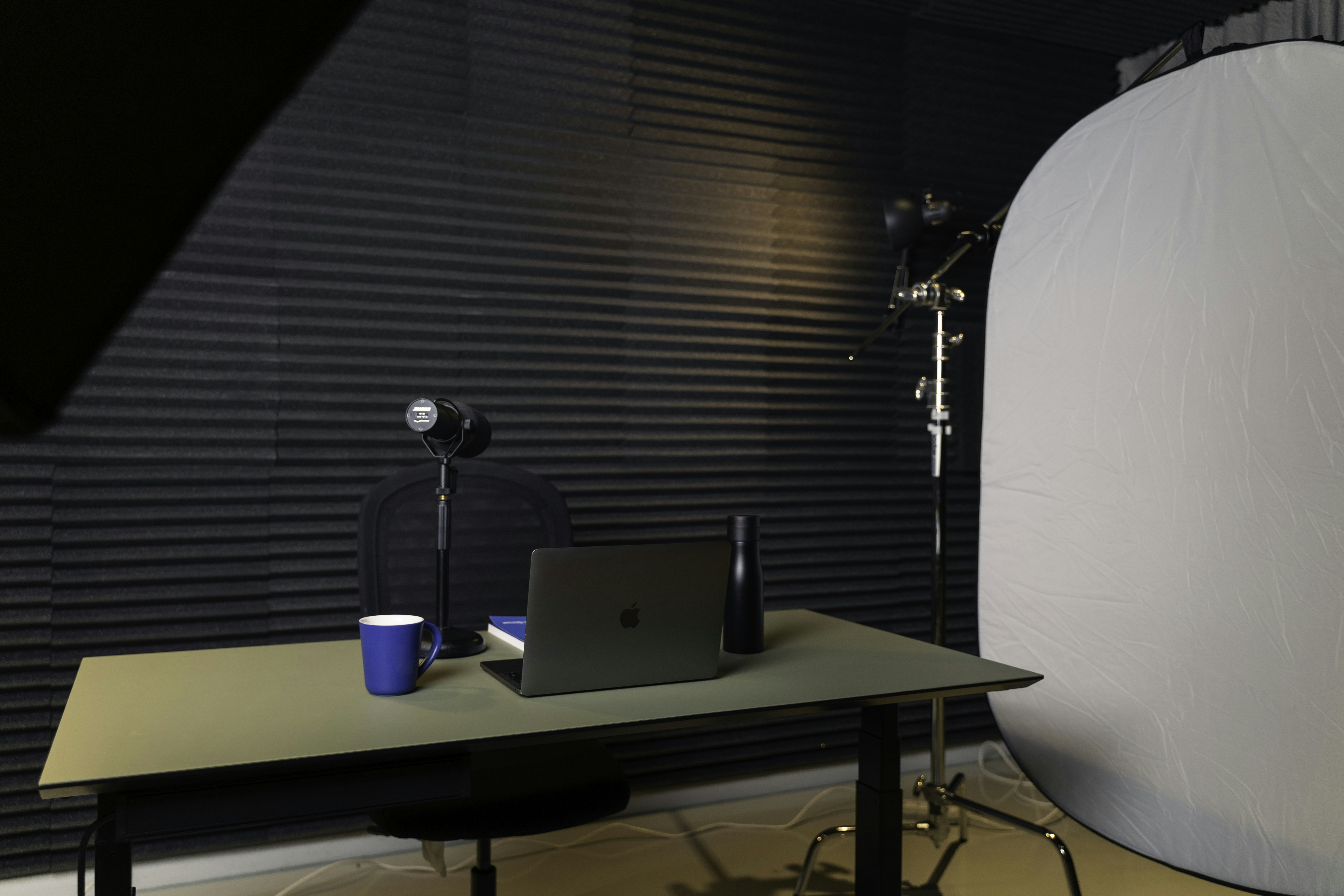
Another effective strategy is to create a vocal booth using improvised sound panels. You can use portable microphones with isolation shields or even build a small enclosure with foam panels that surround the recording area. This will help to control the sound environment and provide a clearer audio capture. It is also vital to eliminate potential distractions. Informing others in your vicinity to maintain silence during recording sessions can help minimize interruptions, thereby contributing to a smoother workflow and higher-quality audio output.
Moreover, be mindful of electronic equipment that generates noise. Ensure that fans, air conditioners, or other appliances are turned off during your recording. With these adjustments to your recording environment, you can significantly enhance audio clarity and quality, setting a solid foundation for successful podcasting.
Editing and Enhancing Your Audio for Final Production
The post-production phase of podcasting is crucial in ensuring that the final audio product meets professional standards. Editing your audio involves several techniques that can drastically improve the quality of your podcast. One of the key steps is closely examining the raw audio for any unwanted noises or disruptions. Background noise, such as echoes, hums, or static, can detract significantly from the listener’s experience. To remove these distractions, employing dedicated software tools can help isolate and reduce these sounds effectively.
Another important aspect of audio editing is balancing audio levels. Each speaker in your podcast may have different sound levels, and it is essential to ensure a consistent volume throughout the episode. This can be achieved through volume adjustments and using audio normalization techniques. Normalization allows the audio to reach a standard level, enhancing the clarity and comprehension of spoken content for the audience.
In addition to noise reduction and volume balancing, applying effects can further enhance your podcast’s overall sound quality. Simple effects such as compression can be useful in smoothing out dynamic ranges, leading to a more cohesive listening experience. Furthermore, adding reverb or subtle equalization can help achieve a polished, studio-quality feel, making your podcast sound more professional. However, it is essential to apply effects sparingly, as excessive use can alter the natural tone of the audio.
For beginners in audio editing, there are user-friendly software options available that cater to various skill levels. Programs such as Audacity, GarageBand, and Adobe Audition provide a range of editing tools designed to simplify the post-production process. By following best practices in audio editing, you can significantly elevate the quality of your podcast, resulting in a polished final product that attracts and retains listeners.